Table of Contents
Introduction
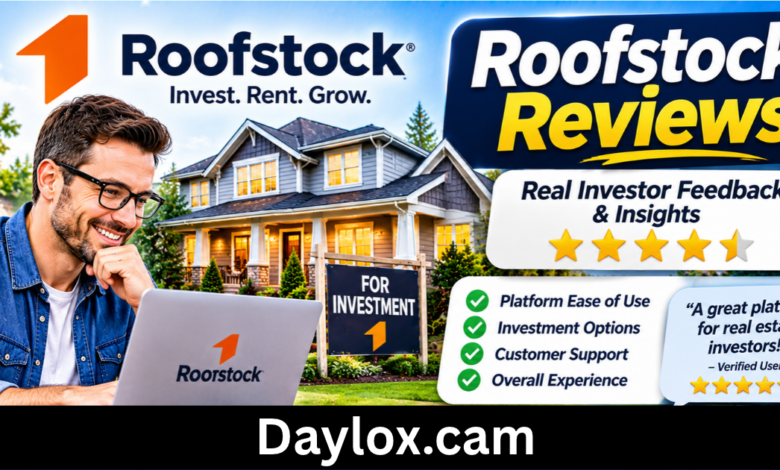
Investing in rental properties can be an effective way to build long-term wealth, but finding the right property, managing tenants, and handling maintenance can require considerable time and effort. Roofstock reviews aims to simplify parts of this process by connecting real estate investors with residential rental properties and related services.
However, convenience does not automatically mean an investment is profitable or risk-free. Anyone researching Roofstock reviews should consider the platform’s services, transaction costs, property management options, and feedback from other customers.
This guide explores Roofstock’s features, advantages, disadvantages, and customer experiences to help potential investors decide whether the platform matches their financial goals.
What Is Roofstock?
Roofstock is a real estate technology company focused on single-family rental properties and investment services. It was established in 2015 to make buying and selling investment properties more accessible through online tools.
The platform allows investors to explore residential properties, review available property information, and evaluate potential rental investments. Its services have also expanded into property management, financing connections, and solutions for larger real estate portfolios.
In 2024, Roofstock and Mynd merged, combining real estate transaction expertise with property management capabilities. This development expanded the company’s approach to supporting rental property owners and investors.
Roofstock is therefore more than a simple property listing website. It offers services intended to support different stages of real estate investment.
How Does Roofstock Work?
Roofstock provides an online environment where investors can research rental properties and explore opportunities in different markets.
1. Browse Available Properties
Investors can explore property listings and review details such as location, asking price, estimated rental income, property condition, and occupancy information when available.
These details help buyers compare opportunities without personally visiting every property at the beginning of their search.
2. Review Property Information
Before purchasing a rental property, buyers should carefully examine available inspection reports, photographs, financial estimates, and other relevant documents.
Roofstock provides property information to support the research process, but investors should conduct their own due diligence rather than relying entirely on platform estimates.
3. Evaluate the Financial Potential
Rental property investments involve more than the purchase price. Investors should calculate expected rental income and subtract expenses such as taxes, insurance, maintenance, management charges, and possible vacancies.
A property with attractive projected rental income may produce a much smaller actual return after expenses.
4. Complete the Purchase
Interested buyers can follow the platform’s purchasing process and review the applicable transaction requirements. Financing options and closing arrangements depend on the property and the buyer’s circumstances.
5. Manage the Rental Property
Property owners can manage their investments independently or explore professional property management services. Management responsibilities may include finding tenants, collecting rent, coordinating repairs, and addressing tenant concerns.
Roofstock Reviews: Main Advantages
Roofstock offers several features that may appeal to people interested in rental property ownership.
Convenient Online Property Research
One of its main advantages is the ability to explore investment properties online. Buyers can compare listings and review property information without beginning their search through traditional local real estate channels.
Access to Different Markets
Investors can research opportunities in multiple US housing markets. This may help buyers compare locations based on property prices, rental demand, local economic conditions, and other investment factors.
Property Information and Inspection Details
Property listings may include inspection information and other documentation. Having these details available can help buyers identify potential concerns before making a purchase.
However, an inspection report does not guarantee that a property will remain free from maintenance problems.
Professional Management Options
Roofstock’s combination with Mynd strengthened its property management capabilities. Investors interested in remote ownership may find professional management useful for handling everyday rental responsibilities.
Management quality and availability can vary by location, property, and service arrangement.
Services for Different Investor Types
Roofstock has developed services for individual property owners as well as larger investors. Its business activities include property transactions, portfolio sales, and other real estate services.
Roofstock Reviews: Disadvantages and Potential Risks
Although the platform offers useful features, investors should understand its limitations before committing money.
Additional Investment Costs
Buying a rental property involves transaction expenses, and ongoing ownership creates additional costs. Depending on the service and agreement, investors may pay transaction fees, management charges, insurance, taxes, maintenance expenses, and closing costs.
Always request a complete breakdown of charges before proceeding.
Property Management Concerns
Professional property management can save time, but it does not guarantee a positive experience. Some customer reviews describe concerns involving communication, maintenance coordination, vacancies, and management responsiveness.
Investors should investigate the management provider serving their property rather than assuming that service quality is identical everywhere.
Rental Income Is Not Guaranteed
Rental properties can experience vacancies, late payments, unexpected repairs, and changes in local housing demand.
Projected rental income should be treated as an estimate rather than a guaranteed return.
Limited Liquidity
Unlike publicly traded stocks, real estate cannot always be sold quickly. Selling a property may involve marketing expenses, negotiations, inspections, closing costs, and changes in market conditions.
Investors who may need immediate access to their money should consider this limitation carefully.
Market and Location Risks
A property that performs well in one neighborhood may struggle in another. Employment trends, population changes, insurance costs, property taxes, and local rental regulations can influence investment performance.
What Do Roofstock Customer Reviews Say?
Customer feedback provides another way to evaluate the company, although online reviews should be interpreted carefully.
Roofstock’s Trustpilot profile showed a score of approximately 2.4 out of 5 based on six reviews when checked for this article. The small number of reviews means this rating should not be treated as a complete representation of every customer’s experience.
Some negative feedback describes concerns about property management, communication, and service quality. The Better Business Bureau also displays customer complaints involving management experiences.
At the same time, the Better Business Bureau lists Roofstock as an accredited business with an A+ rating. Accreditation and business ratings do not guarantee that every customer will have a positive experience.
Potential investors should compare feedback across several independent platforms and focus on reviews that relate to the exact service they intend to use.
Is Roofstock Legit and Safe to Use?
Roofstock is an established real estate technology company with a history of operating in the residential investment property market. Its business history and public company information provide useful background for potential customers.
However, being a legitimate company does not mean every investment offered through its services is suitable or profitable.
Before investing, consider the following:
- Review the property’s inspection information and condition.
- Research the local housing market independently.
- Calculate returns after all expected expenses.
- Understand transaction and property management fees.
- Review contracts and applicable service policies.
- Check the management provider’s local reputation.
- Maintain financial reserves for repairs and vacancies.
Real estate investing involves financial risk, and no platform can eliminate that risk.
Who Should Consider Roofstock?
Roofstock may be worth researching for investors who want to explore single-family rental properties and use online tools to compare opportunities.
It may appeal to people who:
- Want to invest in residential rental properties.
- Prefer researching properties through an online marketplace.
- Are interested in owning rental homes outside their immediate area.
- Want to explore professional property management.
- Understand the costs and responsibilities of property ownership.
It may be less suitable for people who need immediate liquidity, cannot afford unexpected repairs, or expect guaranteed rental income.
Frequently Asked Questions About Roofstock Reviews
1. Is Roofstock a legitimate company?
Roofstock is an established real estate technology company that provides services related to residential rental properties and real estate investing. However, investors should evaluate each property and service independently.
2. Is Roofstock good for beginners?
It may help beginners explore rental property opportunities online. However, first-time investors should understand property expenses, financing, taxes, and landlord responsibilities before purchasing a home.
3. Does Roofstock guarantee rental income?
No. Rental income depends on factors such as occupancy, tenant payments, local demand, property condition, and operating expenses.
4. Does Roofstock offer property management?
Roofstock’s business includes property management capabilities following its 2024 merger with Mynd. Service availability and terms can depend on the property location and management arrangement.
5. What fees does Roofstock charge?
Fees depend on the specific service, transaction, and investment structure. Buyers and sellers should review the current fee schedule and request a complete explanation of all applicable charges.
6. Can international investors use Roofstock?
Eligibility depends on the service, investor location, legal requirements, and account verification rules. International investors should confirm current requirements directly with Roofstock before making financial plans.
7. Is Roofstock worth it?
Roofstock may be worth considering for people interested in online rental property research and investment services. Whether it is worthwhile depends on the property’s financial performance, total costs, management quality, and individual investment goals.
Conclusion
Roofstock reviews show why investors should examine both the convenience of online property investing and the responsibilities that come with owning rental real estate. The platform offers property research tools, access to different markets, and management-related services that may appeal to individual and institutional investors. Roofstock reviews However, property expenses, management concerns, market conditions, and limited liquidity can affect investment results. Before making a decision, compare properties, verify financial estimates, review customer feedback, and understand every applicable fee. For readers researching real estate investment platforms, Daylox aims to provide practical information that supports careful research and informed financial decisions.