
Table of Contents
Maintaining good oral hygiene involves more than brushing your teeth twice a day. Cleaning between teeth is equally important because food particles and plaque can accumulate in areas that a toothbrush may not reach effectively. A Waterpik water flosser offers a convenient way to clean between teeth and along the gumline using a controlled stream of water.
For readers exploring dental care products on Daylox, understanding how a Waterpik water flosser works can help them make informed decisions about their daily oral hygiene routine. Whether you wear braces, have dental implants, or simply want an alternative to traditional flossing, this device may be a useful addition to your bathroom essentials.
What Is a Waterpik Water Flosser?
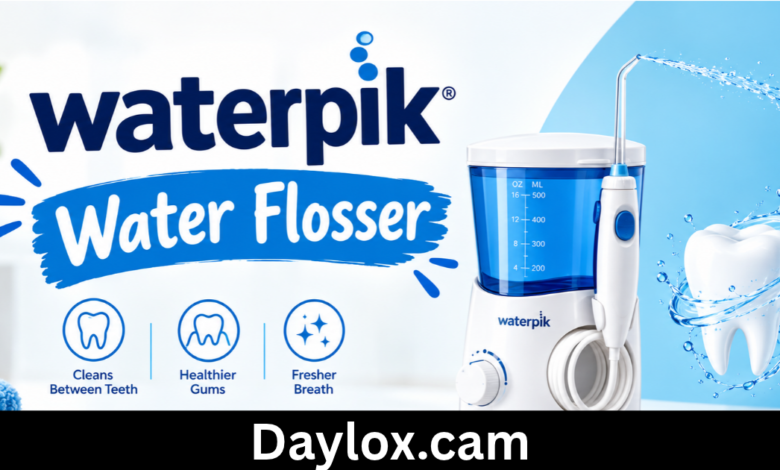
A Waterpik water flosser is an oral hygiene device that directs a stream of water between teeth and around the gumline. Waterpik is a brand known for its water flossing products, which are designed to complement regular toothbrushing and other recommended dental care practices.
Unlike traditional dental floss, which uses a thin strand to clean the spaces between teeth, a water flosser uses water pressure to help dislodge food debris and remove plaque from accessible surfaces. Many models offer adjustable pressure settings, allowing users to choose a comfortable intensity.
Water flossers are available in countertop and cordless designs. Countertop models typically have a larger water reservoir, while cordless models are more portable and convenient for travel.
7 Benefits of Using a Waterpik Water Flosser
1. Helps Clean Between Teeth
Toothbrush bristles cannot always reach every surface between closely spaced teeth. A Waterpik water flosser helps direct water into these spaces, supporting a more complete oral hygiene routine.
Regular use may help remove trapped food particles and reduce plaque in areas that are difficult to access with brushing alone. For the best results, use the device according to the manufacturer’s instructions and maintain a consistent cleaning schedule.
2. Supports Healthy Gums
Healthy gums are an essential part of maintaining a strong, comfortable smile. Plaque that accumulates near the gumline can contribute to inflammation and gum disease if it is not removed effectively.
Water flossing can help reduce plaque and improve gum health when used consistently. Research suggests that water flossers can be a useful addition to toothbrushing, although results depend on the individual and the way the device is used.
If your gums bleed persistently, feel swollen, or become painful, consult a dental professional rather than relying on a water flosser alone.
3. Useful for People With Braces
Cleaning around orthodontic brackets and wires can be challenging. Food particles can become trapped in these areas, making daily oral hygiene more complicated.
A Waterpik water flosser can help rinse debris from around braces and along the gumline. It may be especially convenient for people who find threading traditional floss between orthodontic wires difficult.
However, water flossing should not replace brushing with fluoride toothpaste or any additional cleaning method recommended by an orthodontist.
4. Convenient for Dental Implants and Bridges
People with dental implants, crowns, bridges, or other dental restorations may have specific cleaning requirements. A water flosser can help clean around these structures and remove food debris from accessible areas.
Some Waterpik models include specialized tips intended for particular oral care needs. The correct attachment depends on the device and the user’s dental situation.
Ask your dentist which tip and pressure setting are appropriate, especially after implant surgery or another dental procedure.
5. Offers Adjustable Water Pressure
Many Waterpik water flosser models provide multiple pressure settings. This feature allows users to begin with a gentle stream and gradually increase the intensity if it remains comfortable.
New users should start at a low setting and direct the water along the gumline without forcing it into sensitive areas. Excessive pressure may cause discomfort, particularly when the gums are already irritated.
A comfortable setting that allows consistent cleaning is more useful than choosing the highest available pressure.
6. Makes Daily Oral Care More Convenient
Some people find traditional floss difficult to handle, especially if they have limited hand dexterity or crowded teeth. A water flosser can offer a more convenient alternative for cleaning between teeth.
The device requires a little preparation because its reservoir must be filled and the surrounding area may become wet. Nevertheless, many users appreciate the straightforward process once it becomes part of their daily routine.
7. Provides Options for Different Lifestyles
Waterpik offers several product styles to suit different needs. Countertop models can be suitable for households that want a larger reservoir and multiple accessories. Cordless models are often preferable for smaller bathrooms, travel, or people who want a portable option.
Before buying, consider the reservoir capacity, available pressure settings, included tips, charging requirements, and replacement-part availability.
How to Use a Waterpik Water Flosser Correctly
Using a Waterpik water flosser correctly helps make daily cleaning more comfortable and effective.
- Fill the reservoir: Add lukewarm water according to the product instructions.
- Choose the right tip: Attach the standard or specialized tip recommended for your needs.
- Start with low pressure: This is particularly important if you are new to water flossing or have sensitive gums.
- Lean over the sink: Place the tip in your mouth before switching on the device to reduce splashing.
- Clean along the gumline: Direct the stream between teeth and around the gumline, pausing briefly at the spaces between teeth.
- Follow a consistent routine: Clean all areas of your mouth, including the front and back teeth.
- Empty and clean the device: Follow the manufacturer’s maintenance instructions to help prevent residue buildup.
Use the water flosser as part of a broader routine that includes brushing twice daily with fluoride toothpaste and regular dental checkups.
Waterpik Water Flosser vs. Traditional Dental Floss
Both water flossers and traditional dental floss can play valuable roles in oral hygiene, but they work differently.
Traditional floss uses physical contact to clean between teeth. It is compact, inexpensive, and easy to carry. A water flosser uses a pressurized stream of water and may be easier for people with braces, dental restorations, or difficulty manipulating floss.
Research indicates that water flossing can improve some measures of gum health and may help reduce bleeding. However, individual results vary, and technique matters with either method.
The best option is one you can use consistently and correctly. Your dentist can help determine whether a water flosser, string floss, interdental brushes, or a combination is appropriate for your teeth and gums.
How to Choose the Best Waterpik Water Flosser
When comparing Waterpik water flosser models, think about how you intend to use the device.
Countertop or cordless: Countertop models often offer larger reservoirs and are suitable for regular home use. Cordless models take up less space and are easier to travel with.
Pressure settings: Multiple settings provide flexibility for different comfort levels and cleaning needs.
Included tips: Check whether the package includes the attachments you need and whether compatible replacement tips are readily available.
Ease of cleaning: A removable reservoir and straightforward maintenance instructions can make the device easier to keep clean.
Budget and warranty: Compare the total cost, including replacement tips and any accessories, and review the manufacturer’s warranty terms.
Avoid choosing a product solely because it has the most features. A model that fits your needs, budget, and daily habits may be the better investment.
Frequently Asked Questions
1. Is a Waterpik water flosser worth buying?
It can be worthwhile for people who want to improve cleaning between teeth, especially those with braces, dental restorations, or difficulty using traditional floss. The value depends on your needs and consistent use.
2. Can a Waterpik water flosser replace regular floss?
A water flosser can be an effective interdental cleaning option for many people, but it does not automatically replace every other cleaning method. Ask your dentist which approach is best for your oral health.
3. Should I use a Waterpik before or after brushing?
Either order can be practical. The important point is to clean between your teeth consistently and brush twice daily with fluoride toothpaste. Follow any personalized instructions from your dental professional.
4. Can I use a Waterpik water flosser with braces?
Yes. Water flossers can help clean around orthodontic brackets and wires. Use a suitable tip and follow your orthodontist’s instructions.
5. Does a Waterpik water flosser make gums bleed?
Some bleeding may occur when cleaning inflamed gums, especially when starting a new routine. Begin with a comfortable pressure setting. Persistent or heavy bleeding should be evaluated by a dentist.
6. How often should I use a Waterpik water flosser?
Many people use a water flosser once daily as part of their oral hygiene routine. Follow the manufacturer’s directions and your dentist’s recommendations.
7. Can I put mouthwash in a Waterpik water flosser?
Some models permit certain mouthwash solutions, but compatibility varies. Check the manufacturer’s instructions before adding anything other than water, and clean the device as directed afterward.
Conclusion
A Waterpik water flosser can be a helpful addition to everyday dental care by cleaning between teeth, reaching around braces, and supporting healthier gums. Its adjustable pressure settings and different designs make it suitable for a range of preferences and oral hygiene needs.